
FREE: 10 Must-Know Tomato Growing Tips Get The Guide
Read our affiliate disclosure here.
Is It Harvest Time for Tomatoes?
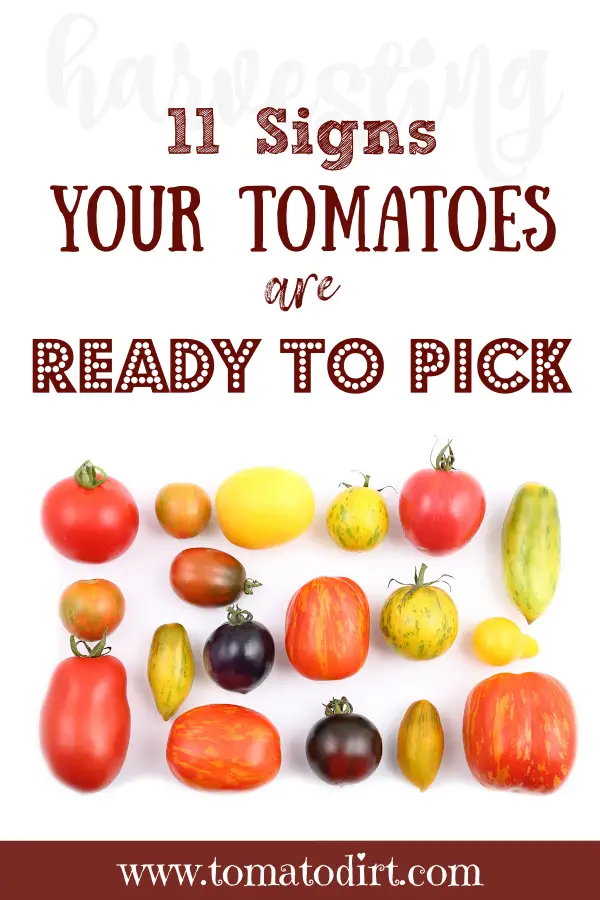
11 Signs Your
Tomatoes Are Ready To Pick
Since 2010, Tomato Dirt has garnered 4.8+ million views, making it the web’s leading online source for growing tomatoes in the home garden. Award-winning writer and Tomato Dirt owner Kathy Widenhouse has helped thousands of home gardeners grow healthier tomatoes. Be one of them when you get Tomato Dirt’s Growing Guide here.
Updated 8.11.26
“Is it harvest time for tomatoes?”
It’s one of the biggest questions new gardeners ask. How can you know your tomatoes are ready to pick?
It's a fair question. Pick tomatoes too early, and they may never develop their best flavor.
Wait too long, and they may crack, split, attract pests, or fall off the vine.
The tomatoes themselves compound the issue. A short-season tomato variety like Early Girl touts just 50-62 days to maturity. Then there’s long-season Brandywine, which feasts on the vine 80-90 days until it’s ready to pick.
And you must factor in your local growing conditions. Maybe you had a dry spell … plenty of clouds … rain for 10 days straight …
There are plenty of variables when it comes to knowing the perfect harvest time for tomatoes.
The good news is that tomatoes give you plenty of clues when they're ready. Once you know what to look for, you'll be able to harvest at just the right time and enjoy the best flavor your garden can produce.
Here are 11 signs that it's harvest time for tomatoes.
Before you leave ...

Get your free copy of "10 Must-Know Tomato Growing Tips." This 20-page guide is filled with tips you need to know to have a successful tomato crop, whether you’re a beginning or experienced gardener.
It's harvest time for tomatoes when ...
1. The tomato has reached its mature color.
For many varieties, color is the easiest clue.
Red tomatoes turn bright red. Yellow tomatoes become golden yellow. Orange varieties develop a deep orange hue.
If your tomato is still mostly green, it probably needs more time.
Keep in mind that heirloom varieties may ripen into unusual colors such as purple, striped, pink, or even green. Always check the expected mature color for the variety you're growing.
2. The tomato feels slightly soft.
A ripe tomato should give just a little when you gently squeeze it. It shouldn't feel hard as a rock, but it shouldn't feel mushy either.
Think of the firmness of a ripe peach. That's often a good comparison.
3. The fruit is glossy.
Immature tomatoes often look shiny and almost waxy. As they ripen, many varieties develop a richer, softer appearance. The fruit looks full, healthy, and ready to eat.
4. The tomato snaps off the vine easily.
A ripe tomato shouldn't require force to separate it from the stem. When you gently twist or lift the fruit, it should come willingly. If you’ve got to tug hard, it's probably not quite ready.
5. The bottom of the tomato has changed color.
Many gardeners focus only on the top of the tomato. That may be a mistake, especially when your tomatoes have green shoulders.
Instead, look underneath. The blossom end is often the last part to change color. If the bottom is still green, the fruit may need a little more time.
6. The tomato has reached its expected size.
Every variety has a typical mature size. Cherry tomatoes may be only an inch across. Beefsteak tomatoes can grow much larger – up to several inches across.
Check the specs on your tomato variety. If your tomato is still noticeably undersized, it probably isn't ready for harvest. (And be sure to check for diseases and pests, too, because slow growth can indicate tomato problems.)
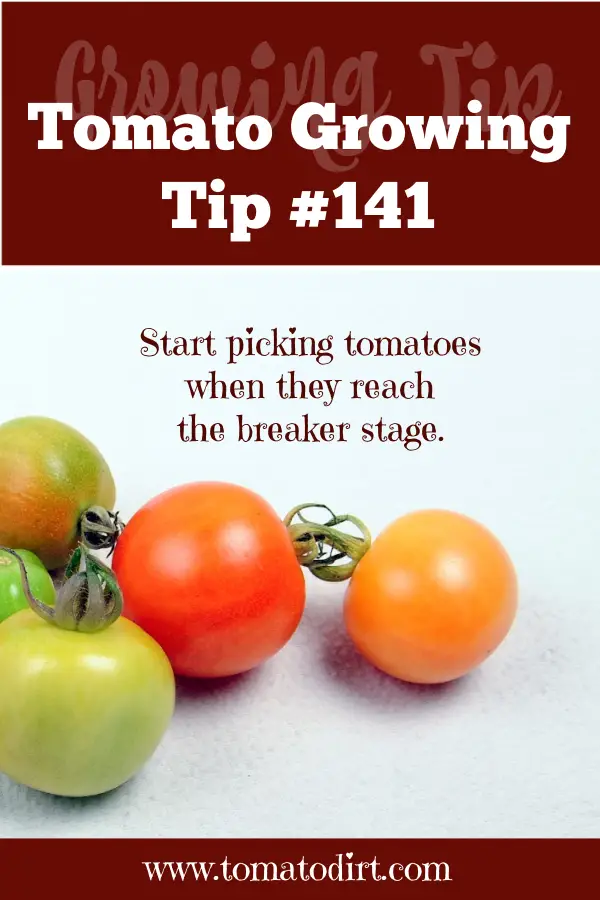
7. The fruit has entered the breaker stage.
Tomatoes mature in 6 stages. The breaker stage – as the tomato begins changing from green to its mature color – indicates the fruit has finished growing, even though it hasn't reached its most ripe color.
Many experienced gardeners harvest tomatoes at the breaker stage because they continue ripening indoors while avoiding problems such as cracking, birds, and insects. You can also pick tomatoes at the breaker stage if you’re planning to be away from your garden for a few days. This way, they won’t rot on the vine.
8. The tomato smells like a tomato.
This may sound obvious, but ripe tomatoes often develop a sweet, earthy tomato scent near the stem. Green tomatoes typically have very little aroma.
9. Birds and squirrels become interested.
Garden pests seem to know exactly when tomatoes are ripe. If birds, squirrels, chipmunks, or insects suddenly start targeting specific fruit, that's a sign the tomatoes are nearly ready. Consider harvesting them soon.
10. The variety's days to maturity are completed.
Seed packets and plant tags usually list the expected number of days to maturity for that particular tomato variety. Yes, weather conditions can affect timing. But use this estimate as a helpful guideline to indicate that harvest time for tomatoes is here.
11. The flavor is sweet and balanced.
When in doubt, pick one of the tomatoes and taste it.
A ripe tomato should have a balance of sweetness and acidity. If the flavor seems bland or grassy, the remaining fruit may need a few more days on the vine.
Tomato Season Review Printable:
Remember what worked. Forget what didn't. Grow better tomatoes next year.
What is the best time to pick tomatoes?
The best time to harvest tomatoes is usually early morning.
Morning-picked tomatoes are often cooler, firmer, and less stressed from the heat of the day. They also tend to store better after harvest.
If you can't harvest in the morning, late afternoon is generally the next best option.
Many gardeners make a habit of checking their plants every morning during peak harvest season.
What is the worst time to pick tomatoes?
The worst time to harvest tomatoes is during the hottest part of the afternoon. When temperatures soar, tomatoes become softer and more vulnerable to bruising when you handle them.
Harvesting during extreme heat can also increase moisture loss, shortening your fruit’s storage life. If possible, avoid picking tomatoes between noon and mid-afternoon on hot summer days.
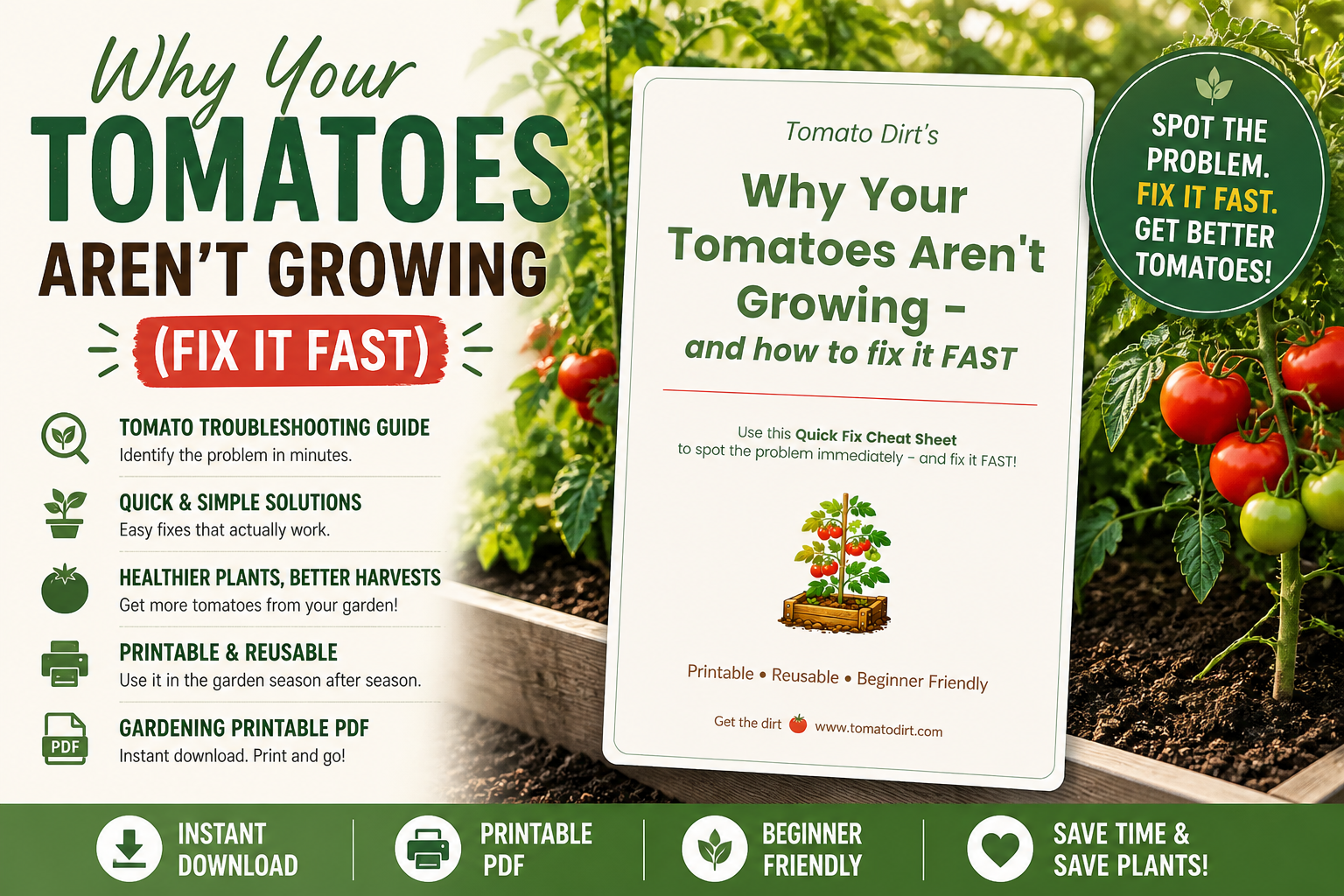


Use this guide to fix your tomato problems.
6 common tomato harvesting mistakes
Even experienced gardeners occasionally make harvesting mistakes. Here are some of the most common.
1. Waiting for every tomato to turn completely red
It’s tempting to leave tomatoes on the vine too long, particularly when they come in full force, and you must process them, eat them, or give them away fast. Sometimes you simply can’t keep up. Tomatoes harvested at the breaker stage – or immediately thereafter – often finish ripening perfectly indoors and avoid damage from pests and bad weather.
2. Pulling instead of twisting
Yanking tomatoes off the vine can damage stems and nearby fruit. Instead, gently twist and lift the tomato until it separates naturally.
3. Harvesting too infrequently
During peak season, tomatoes can ripen quickly. As in overnight -- when they simply didn't seem ready the day before. Check your plants regularly to avoid overripe fruit.
4. Ignoring cracks and splits
A cracked tomato is often edible. But it won't improve by remaining on the plant – and the split gives pests, fungi, and bacteria a place to land.
Don’t allow it. Harvest damaged fruit promptly.
5. Leaving tomatoes outside before frost
A single frost can ruin a crop. If frost threatens, harvest mature green tomatoes and allow them to ripen indoors.
6. Dropping harvested tomatoes into buckets
Tomatoes bruise easily. Handle fruit gently and avoid stacking heavy tomatoes on top of each other.
You’ll get a feel for the perfect harvest time for
tomatoes
Knowing when to harvest tomatoes is part science and part observation.
As you gain experience, you'll develop an instinct for spotting perfectly ripe fruit. Until then, look for the clues.
Before long, you'll be harvesting tomatoes at exactly the right moment—and enjoying the freshest, most flavorful tomatoes your garden can produce.
More on Harvesting Tomatoes
Is it ripe? When to pick tomatoes at peak ...
The 6 Tomato Ripening Stages: A Home Gardener’s Guide ...
How Do You Ripen Tomatoes on the Vine Faster?
Green Tomatoes: A Gardener’s Q & A ...
Use This 6-Step Checklist for Tomato Plant Care ...
What to Grow After Tomatoes: A Simple Guide to Succession Planting ...
How To Make Tomato Plants Grow Faster ...
Get more tips on our Harvesting Tomatoes Pinterest board...
Return from Is It Harvest Time For Tomatoes? to Tomato Dirt home
As an Amazon Associate and Rakuten Advertising affiliate I earn from qualifying purchases.
SHARE THIS PAGE:
