FREE: 10 Must-Know Tomato Growing Tips Get The Guide
Read our affiliate disclosure here.
What to Grow After Tomatoes:
A Simple Guide to Succession
Planting
Since 2010, Tomato Dirt has garnered 4.8+ million views, making it the web’s leading online source for growing tomatoes in the home garden. Award-winning writer and Tomato Dirt owner Kathy Widenhouse has helped thousands of home gardeners grow healthier tomatoes. Be one of them when you get Tomato Dirt’s Growing Guide here.
Posted 8.11.26
When your tomato plants have finally finished producing, you might be tempted to pull them out and call it a season.
But don’t give up on that garden space just yet.
One of the best things about growing vegetables is that the end of one crop can be the beginning of another. Once tomatoes are finished, you can use that same space to grow greens, root vegetables, herbs, beans, or even a cover crop.
This practice is called succession planting, and it’s an easy way to get more out of your garden. In fact, learning what to plant after tomatoes is one of the simplest ways to extend your harvest and make better use of your growing space.
But there’s a catch ...
You shouldn't automatically plant just anything in the empty space. Tomatoes belong to the nightshade family, and planting another member of the same family immediately afterward can increase the risk of certain soilborne diseases and contribute to nutrient depletion.
So, what should you plant after tomatoes? Here’s the dirt.
Before you leave ...

Get your free copy of "10 Must-Know Tomato Growing Tips." This 20-page guide is filled with tips you need to know to have a successful tomato crop, whether you’re a beginning or experienced gardener.
What is succession planting?
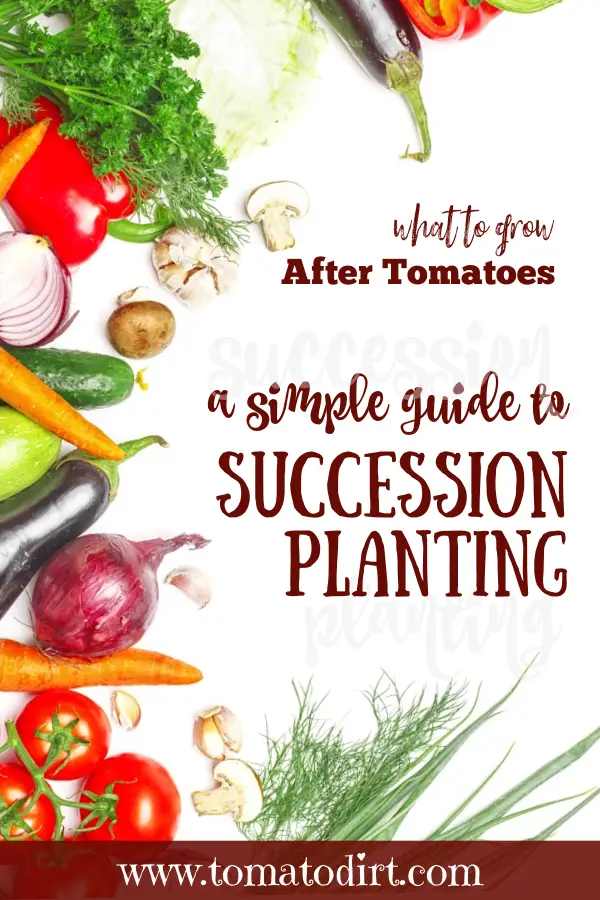
Succession planting is planning a series of crops so that one crop follows another in the same garden space. For example, you might grow:
Tomatoes → lettuce → spinach → cover crop
Or:
Tomatoes → bush beans → fall carrots
The idea is simple: Instead of letting a garden bed sit empty after your first crop finishes, you plant something else that can take its place.
It’s also sometimes referred to as crop succession. And it’s a practice you can use throughout the growing season. You might plant lettuce in early spring, replace it with tomatoes in late spring, and then plant spinach or kale after the tomatoes are finished.
Why bother with succession planting?
There are several good reasons.
- You get more food from the same space. A single garden bed can produce multiple crops during one growing season.
- You make better use of your soil. Rather than leaving productive garden space empty, you keep plants growing.
- You can extend your harvest. A summer tomato crop can be followed by cool-season vegetables that produce well into fall and, in some climates, winter.
- You can improve soil health. Rotating crops and incorporating plants with different nutrient needs can help you manage soil fertility.
- You can interrupt pest and disease cycles. Following a tomato crop with an unrelated plant family is generally preferable to immediately planting another nightshade.
Think of succession planting as a relay race. When one crop crosses the finish line, another crop takes its place.
What to grow after tomatoes
Let’s say you’re near the end of your tomato growing season, but you want to use the remaining days before frost to your best advantage. The best crop to plant after tomatoes depends on three things:
- When your tomatoes finish
- Your climate and expected frost date
- How much growing season remains
If you're pulling tomato plants in late summer, you have very different options than you would if you're removing them in October.
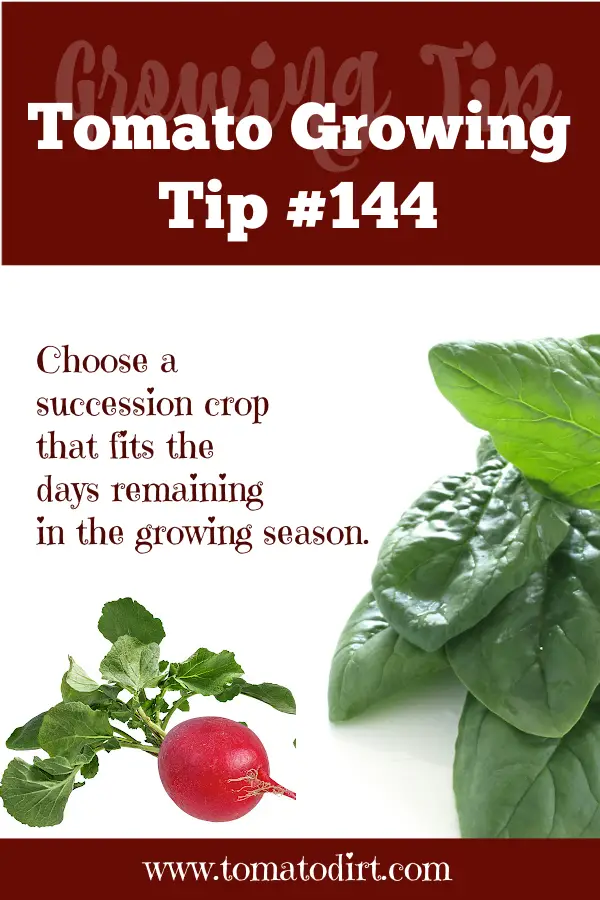
Here’s the key: Choose a crop that fits the days remaining in the growing season. One of the biggest mistakes beginners make with fall gardening is planting too late. For example, radishes mature quickly, making them excellent for a short window. Carrots take longer, so they're better when you have plenty of growing time remaining.
A crop may tolerate cold temperatures once established, but that doesn't necessarily mean it will germinate and grow quickly when the weather is already cold. For fall succession planting, work backward from your expected first frost date.
If a vegetable needs 40 days to mature, you need to give it enough time to get established before cold weather slows its growth. And remember that "days to maturity" is only an estimate. Temperature, sunlight, soil fertility, moisture, and variety can all affect growth.
The best vegetables to grow after tomatoes
1. Lettuce
Lettuce is one of the easiest crops to follow tomatoes. Tomatoes are warm-season plants, while lettuce prefers cooler temperatures. That makes lettuce particularly useful as part of a summer-to-fall succession plan. If you remove your tomato plants in late summer, you can often sow lettuce for a fall harvest. Lettuce also grows relatively quickly, so you don't need a huge amount of time.
Best for: Late summer and fall succession planting.
2. Spinach
Spinach is another excellent follow-up crop. It thrives in cool weather and can be planted after summer crops are finished. In many areas, spinach planted in fall can continue producing during cool weather. If your climate allows it, you may even be able to overwinter spinach.
Tip: Plant spinach where the tomato plants previously provided some shade, especially if you're still dealing with warm temperatures.
3. Kale
Kale is practically made for fall gardening. It's cold hardy, productive, and doesn't mind the cooler temperatures that arrive after tomato season. Depending on your climate, you may be able to harvest kale well into winter. Kale also gives you something tomatoes don't: a crop that actually becomes easier to grow as the weather cools.
4. Swiss Chard
Swiss chard can be another good succession crop. Unlike lettuce and spinach, chard is fairly tolerant of warmer conditions, so it's useful if your tomatoes finish while the weather is still hot. It can also continue producing after temperatures cool down. If you're looking for a crop that will keep giving you leaves rather than producing one big harvest, chard is worth considering.
5. Radishes
If you don't have much growing time left, plant radishes. They're one of the quickest vegetables you can grow. Because radishes mature rapidly, they're especially useful for filling the gap between summer and fall crops. You can sow them directly into the space where your tomato plants grew, keep the soil consistently moist, and harvest them while they're still young and tender.
Best for: Short growing windows and quick succession crops.
6. Carrots
Carrots can work well after tomatoes, particularly if you still have several weeks of suitable growing weather. They don't need the same nutrients as tomatoes, and their root systems occupy a different part of the soil. Loose, well-drained soil is especially important for good carrot development.
Tip: If your tomato bed is compacted from a long growing season, loosen the soil before planting.
7. Beets
Beets are another cool-season crop that can follow tomatoes. You can harvest both the roots and the greens, making them a productive use of garden space. They also offer something different from tomatoes in terms of both plant family and growth habit.
8. Turnips
Turnips are fast-growing root crops that can be planted toward the end of the summer season for a fall harvest. They're especially useful when you want something productive but don't have enough time for a long-season crop. And as with beets, don't overlook the greens. Young turnip leaves can be harvested and eaten, too.
9. Bush beans
If your tomatoes finish relatively early and you still have plenty of warm weather left (50-60 days), bush beans can be an excellent succession crop. They're fast-growing and can produce a crop before the first frost arrives. Beans also belong to a different plant family than tomatoes and have different nutrient needs. If you're gardening in a warm climate with a long growing season, beans may be one of your best options.
10. Peas
Peas are another option when you're transitioning from warm-season to cool-season gardening. They prefer cooler weather, so timing is important. Don't plant them while the weather is still scorching hot and expect great results. Instead, wait until conditions are becoming more favorable for cool-season crops.
Plan your tomato crop without overwhelm, guesswork, or mistakes.
What to grow after tomatoes in raised beds
Raised beds are particularly well suited to succession planting because you can control the soil, spacing, fertility, and irrigation more easily.
Once your tomatoes are finished, don't simply leave the bed empty. Instead, think about what crop can make the best use of that space for the remainder of the season. Good choices for raised beds include:
Fast crops
- Radishes
- Baby lettuce
- Arugula
- Salad greens
Cool-season crops
- Spinach
- Kale
- Swiss chard
- Broccoli
- Cabbage
- Collards
Root crops
- Carrots
- Beets
- Turnips
- Radishes
Legumes
- Bush beans
- Peas
Bulbs
- Onions
- Garlic
Raised beds can also be particularly productive for a sequence such as:
Tomatoes → bush beans → fall spinach
Or:
Tomatoes → lettuce → garlic
Or:
Tomatoes → radishes → fall kale
The important thing is to look at the calendar before you plant. Don't choose a crop simply because you like it. Choose one that has enough time to mature before your weather becomes unsuitable.
Don't forget garlic!
If your tomato season ends early enough, you can use the empty bed for a crop that won't be harvested until the following year: garlic.
Garlic is planted in fall and harvested the following summer. That makes it an interesting part of a long-term crop succession plan.
For example:
- Summer: Tomatoes
- Fall: Garlic planted
- Winter: Garlic grows slowly or goes dormant
- Spring: Garlic continues growing
- Summer: Garlic harvested
Once garlic comes up, then you have the space available for another warm-season crop. That's succession planting on a longer timeline.
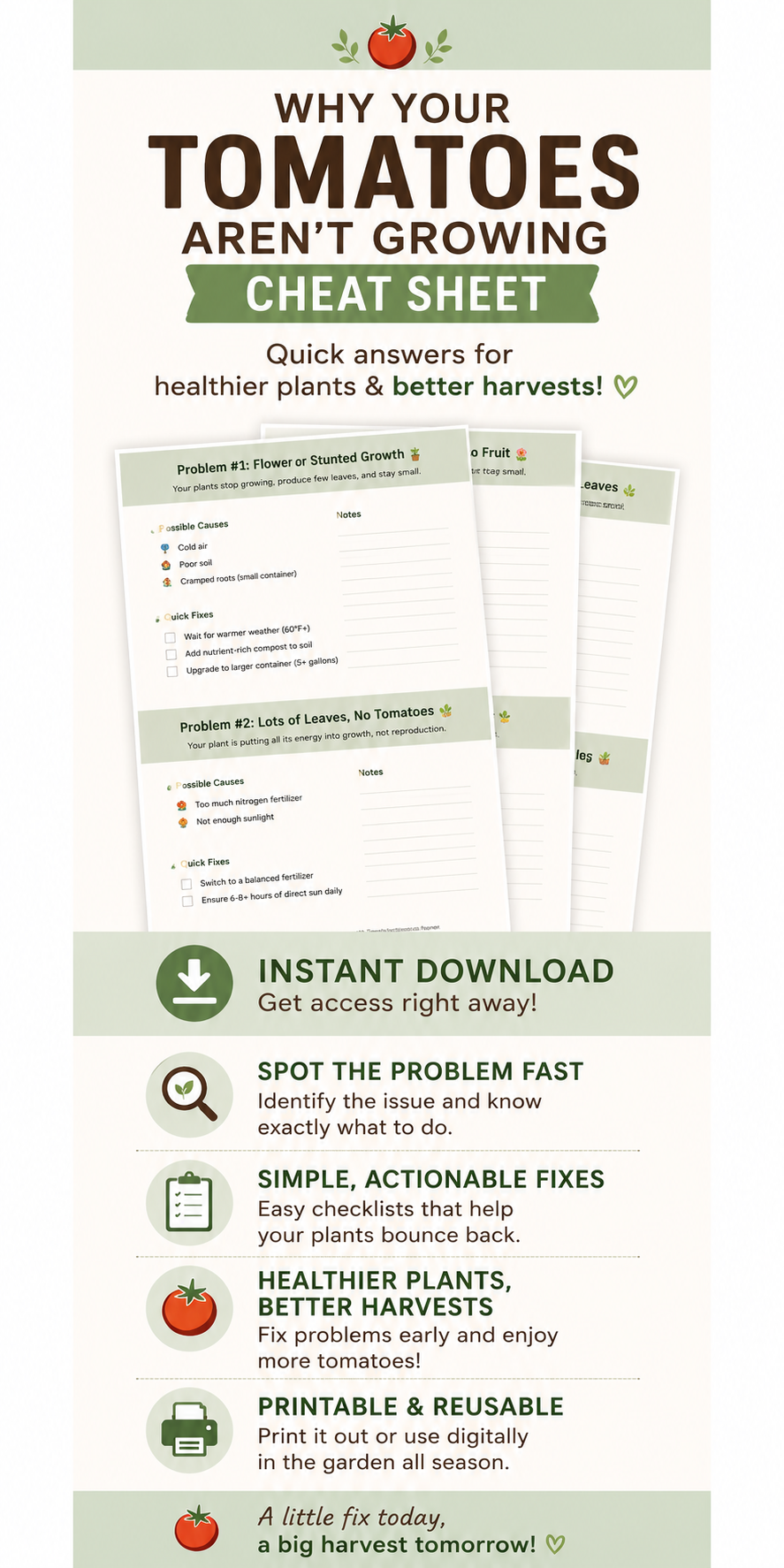
Use this Quick Fix Cheat Sheet to fix your tomato problems FAST.
What NOT to plant after tomatoes
Now for the important part. Not every crop is a good choice for following tomatoes. Tomatoes belong to the nightshade family (Solanaceae). Other common members include peppers, eggplants, potatoes, tomatillos, and ground cherries.
Because these plants are related, they can share some pests and diseases.
That means planting peppers directly after tomatoes isn't necessarily the best crop rotation strategy—especially if your tomato plants suffered from disease.
Instead of: Tomatoes → peppers ...
Try tomatoes → beans or tomatoes
→ lettuce or tomatoes → carrots.
The same goes for eggplant, potatoes tomatillos – all nightshades. They can be affected by diseases that affect tomatoes, including some fungal and bacterial problems. Avoid planting them after tomatoes, even if you have time for a second crop. Simply put nightshades in a different part of the garden.
What if your tomatoes were diseased?
This is where crop succession becomes particularly important. If your tomato plants had a serious disease (like one of the varieties of tomato blight or tomato wilt), don't simply pull them out and plant another nightshade in the same spot.
Instead, remove the affected plants and clean up plant debris according to the disease and your local gardening guidance. Then choose a crop from an unrelated family.
For example, diseased tomatoes → lettuce is generally a better succession than diseased tomatoes → peppers.
Crop rotation doesn't guarantee that you'll eliminate a soilborne disease, but avoiding closely related crops can help reduce the opportunity for some pests and pathogens to continue cycling through the same host plants.
And don't put diseased tomato foliage into your compost pile. Destroy it.
What about growing tomatoes after tomatoes?
If you're wondering whether you can simply pull out an old tomato plant and put a new tomato plant in the same spot, the answer is: you can, but it's not ideal.
Growing tomatoes in the same soil year after year can increase the chance of certain soilborne diseases and can make nutrient management more difficult. A better approach is to rotate your crops when you have enough space to do so.
If you're gardening in a small, raised bed and don't have enough room for a traditional rotation, don't panic. You can still improve your system by:
- Adding organic matter
- Maintaining good soil fertility
- Removing diseased plant material
- Choosing disease-resistant varieties
- Mulching
- Avoiding unnecessary soil disturbance
- Rotating crops when practical
Even a small garden can benefit from thoughtful crop succession.
How to plan your tomato succession planting
The easiest way to plan what comes after tomatoes is to think backward from your planting date. Let's say your tomatoes are likely to finish in late August.
- Ask yourself: What can I plant in September? Perhaps lettuce, spinach, radishes, or kale.
- Then ask: How long will that crop take to mature? If you have only a short growing window, choose something fast.
- Finally, ask, What happens after that crop? Maybe you can plant garlic in October.
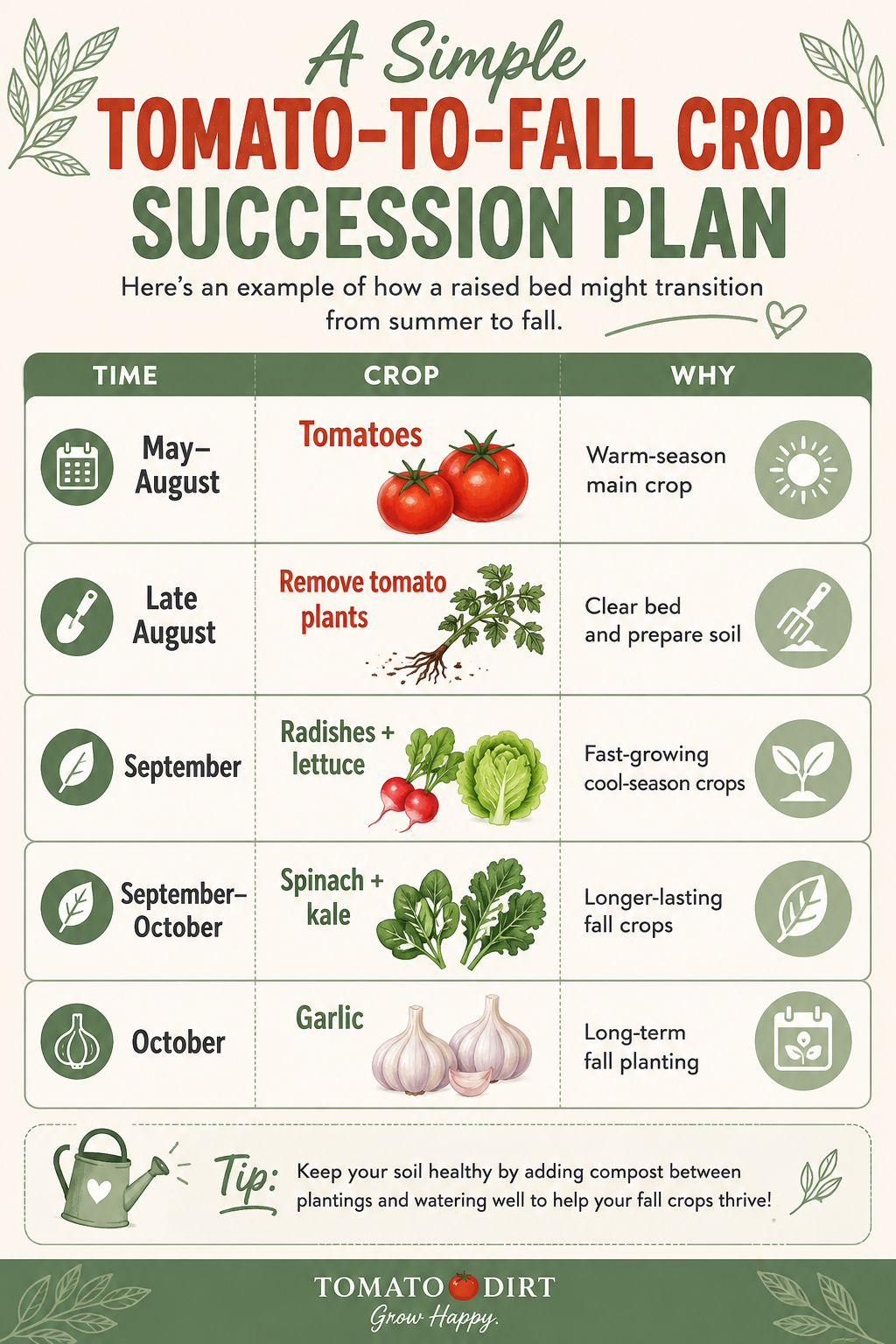
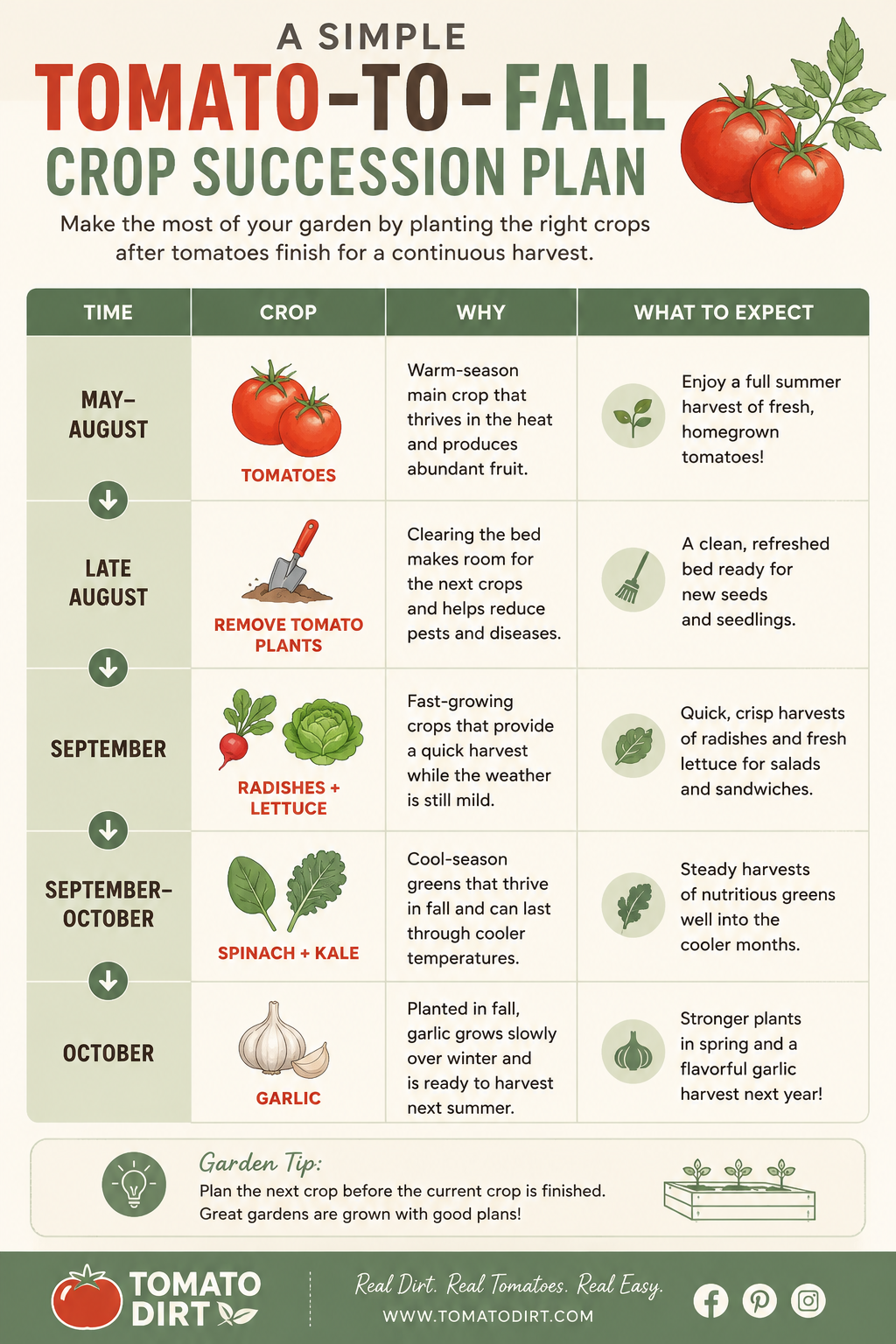
Your plan might look like this:
- May–August: Tomatoes
- September: Radishes and lettuce
- October: Garlic
- Winter: Garlic
- Following summer: Beans or another warm-season crop where you had tomatoes this year, so you can rotate the type of vegetable in that section of the garden.
This is the basic idea behind crop succession: You're thinking about the garden as a sequence rather than as a collection of individual plants.
What should you plant based on how much time you have?
One of the easiest ways to decide what comes after tomatoes is to consider how much growing season remains.
If you have 30 days or less, choose fast-growing crops such as:
- Radishes
- Baby greens
- Arugula
- Some lettuce varieties
If you have 30–60 days, consider:
- Lettuce
- Spinach
- Beets
- Turnips
- Bush beans
- Some carrots
- Swiss chard
If you have 60+ days, you have more options, including:
- Kale
- Collards
- Broccoli
- Cabbage
- Carrots
- Beets
- Bush beans
- Peas
Again, check the days to maturity for the specific variety you're growing.
What about cover crops for what to grow after tomatoes?
Sometimes the best thing to plant after tomatoes isn't another vegetable. It's a cover crop.
If you don't need another harvest, a cover crop can protect and improve the garden during the off-season. Depending on your climate and gardening goals, possibilities include crimson clover, hairy vetch, winter rye, oats, or field peas.
Cover crops can help protect soil from erosion, suppress weeds, and contribute organic matter when managed properly. Legume cover crops can also contribute nitrogen to the soil through their symbiotic relationship with nitrogen-fixing bacteria.
Just remember that cover crops require planning, too. You need to know when to plant them and how you'll terminate them before your next vegetable crop.
Warning! Don't pull your tomatoes too early
There's one more thing to consider before you start planning what comes next.
A tomato plant doesn't have to be removed simply because production has slowed down. If the plant is still healthy and producing, you may want to keep harvesting.
But once the plant is declining, diseased, or no longer producing enough fruit to justify the space, that's when succession planting becomes useful.
But instead of thinking, "My tomato season is over" … think, "What can I grow in this space next?"
When you think in terms of crop succession, your garden becomes a continuous cycle rather than a series of isolated growing seasons.
- Tomatoes finish.
- Another crop begins.
- That crop finishes.
- Something else takes its place.
That small change in mindset can make your vegetable garden considerably more productive.
And before you know it, your garden is producing food for much more of the year—with less wasted space and a whole lot more planning behind the scenes.
More Harvesting Tomatoes and End-of-Season Tips
Why save tomato seeds? 10 great reasons ...
How to extend your harvest of homegrown tomatoes ...
Protecting plants from frost: FAQs ...
What To Do After Harvesting Tomatoes …
13 Easy Ways to Protect Plants from Frost ...
Ripening green tomatoes extend your harvest ...
Should I plant second season tomatoes - and when?
When Should You Plant Fall Tomatoes?
Fall Garden Clean-Up Step-By-Step ...
More on our Harvesting Tomatoes Pinterest board ...
Return from What To Grow After Tomatoes to Tomato Dirt home
As an Amazon Associate and Rakuten Advertising affiliate I earn from qualifying purchases.
SHARE THIS PAGE: