
FREE: 10 Must-Know Tomato Growing Tips Get The Guide
Read our affiliate disclosure here.
Your End-of-Season Garden Checklist: Finish Strong, Start
Fresh Next Spring
Since 2010, Tomato Dirt has garnered 4.8+ million views, making it the web’s leading online source for growing tomatoes in the home garden. Award-winning writer and Tomato Dirt owner Kathy Widenhouse has helped thousands of home gardeners grow healthier tomatoes. Be one of them when you get Tomato Dirt’s Growing Guide here.
Posted 10.6.26
Your tomato plants look tired.
The cucumber vines have officially given up.
And somewhere behind the shed, a garden hose is waiting for
you to remember it.
It must be the end of gardening season.
After months of watering, weeding, and celebrating every ripe tomato, you may feel ready to hang up your gardening gloves. Fair enough! But a few final jobs can help you save the last of your harvest, protect your soil, and make next spring’s gardening easier.
The trick is remembering what needs doing—and tackling it without turning fall cleanup into a weekend-long ordeal.
That’s why we created this End-of-Season Garden Checklist.
Before you leave ...

Get your free copy of "10 Must-Know Tomato Growing Tips." This 20-page guide is filled with tips you need to know to have a successful tomato crop, whether you’re a beginning or experienced gardener.
Why do you need a checklist at the end of the season?
It's easy for gardeners to mentally shut down at the end of the growing season.
But don't give up just yet. There's a bit of fresh produce hiding underneath the leaves in your garden. And ... if you take a bit of time right now, your spring garden kick-off will be so much easier.
Before you pull plants or put away tools, take one last harvest walk. Bring a basket. You may find more than you expect.
Look beneath leaves, behind sprawling vines, and along the backs of your beds. That overlooked pepper or hidden tomato deserves a place in your kitchen.
This checklist organizes 20 tasks into four manageable groups: harvest, clean up, put the garden to bed, and put your equipment away. Here's a sampling.
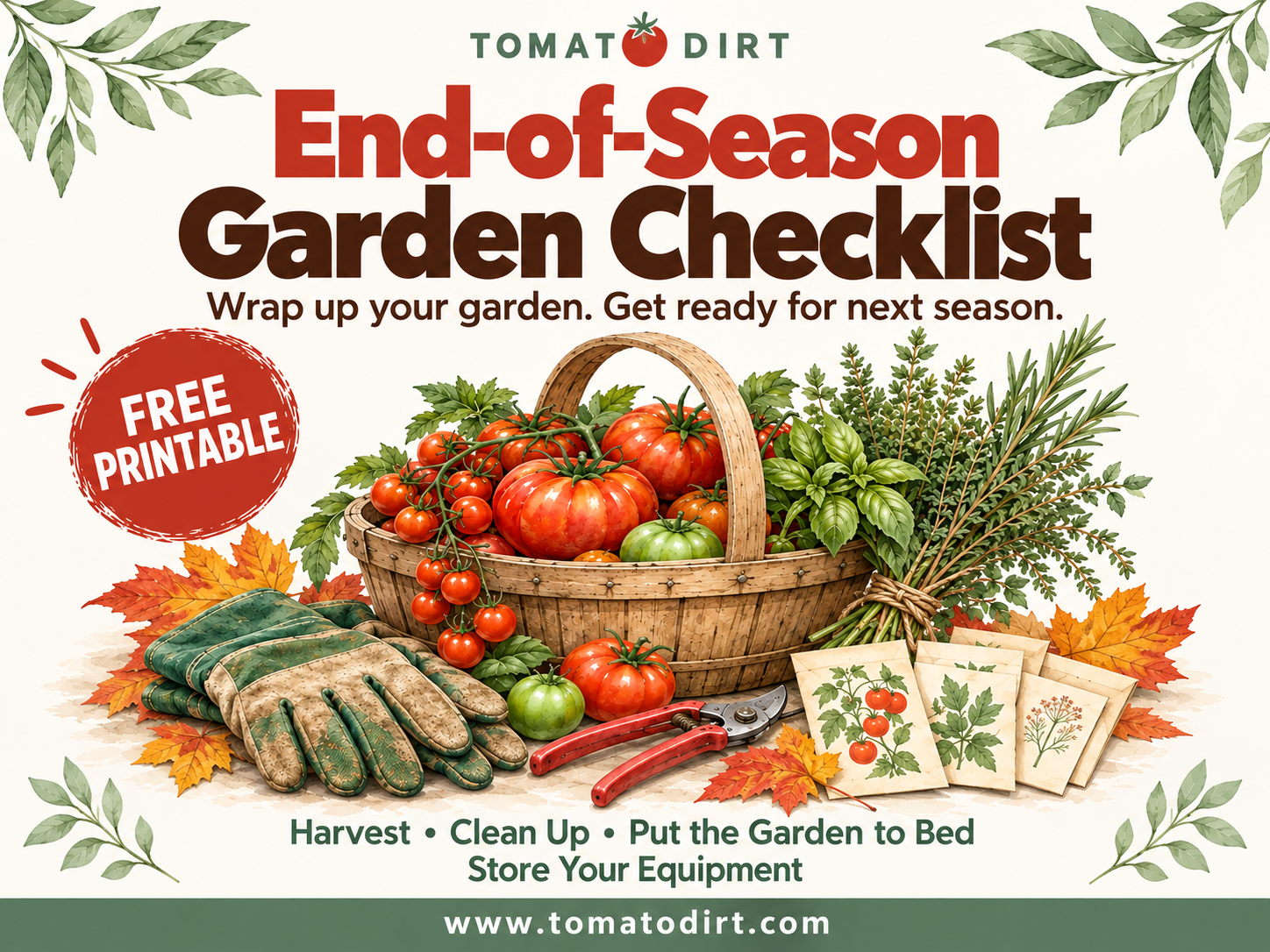
Get your FREE End-of-Season Garden Checklist here.
Top tasks in your End-of-Season Garden Checklist
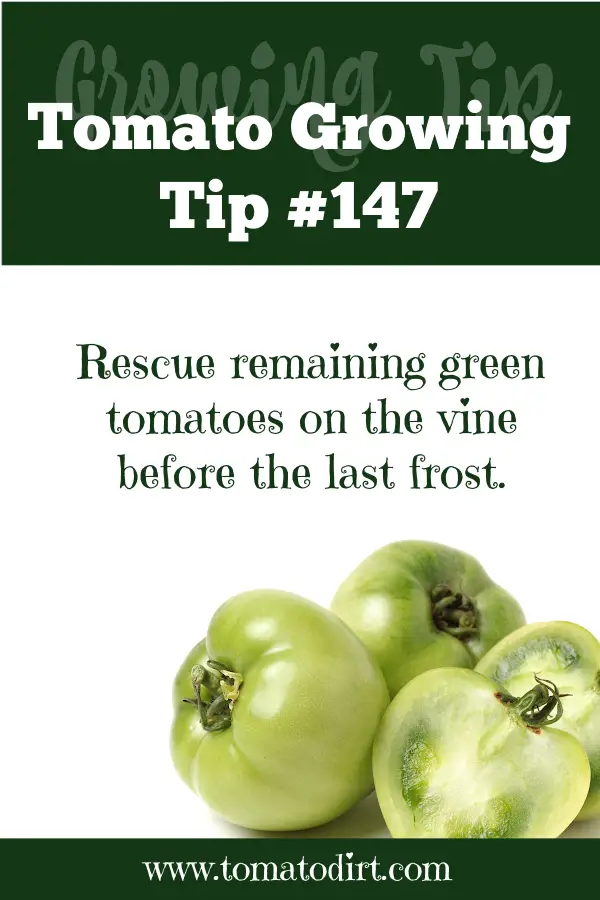
Rescue those green tomatoes
A frost forecast doesn’t have to mean goodbye to every tomato still on the vine.
Pick sound, mature green tomatoes before frost arrives. Full-sized fruit that has lightened in color or begun to blush has a better chance of ripening indoors than tiny, dark green tomatoes. Mature green tomatoes can ripen satisfactorily, while very immature fruit may never develop good flavor.
Set your keepers indoors and check them regularly, removing any that begin to decay. Think of them as your garden’s parting gift.
Give herbs a final assignment
Harvest tender herbs while they’re still in good condition. Freeze some for cooking or dry suitable herbs for your spice cupboard.
A handful of basil today could become a welcome reminder of summer in a winter meal.
Save seeds and bring tender plants inside
If you plan to save seeds, collect them from healthy plants and label them carefully. “Those wonderful tomatoes” is a less helpful label than you might think six months from now.
For plants you want to overwinter indoors, check their cold tolerance and move them before damaging temperatures arrive. Inspect leaves, stems, and pots for hitchhiking pests first.
Your harvest goal: collect what’s useful before cold weather makes the decision for you.
Clean up the vegetable garden thoughtfully
Once a crop has finished producing, it’s time to deal with what remains.
Start with spent vegetable plants, weeds, and fallen fruit. Work through one bed or container at a time so you can see your progress.
Make diseased plants a priority
Those spotted tomato leaves and struggling vines deserve special attention.
Remove them. This helps reduce sources of infection that could affect future crops. Keep diseased material out of your compost pile, which may not reach the conditions needed to destroy pathogens. Follow local disposal guidance.
Healthy plant material can go into your compost pile when appropriate.
Pull weeds and collect fallen fruit
A few minutes spent removing weeds now can spare you some aggravation later. Prioritize weeds carrying seed heads, and gather dropped tomatoes and other fruit as you go.
Here’s an easy approach: carry one bucket for healthy compostable material and another for material that needs separate disposal.
Clean empty containers
Remove leftover roots and debris from pots you’re putting away. Wash containers, let them dry, and disinfect when needed, particularly if they held diseased plants.
Cleaning and disinfecting are separate steps: remove dirt first, then use an appropriate disinfectant according to its directions. Extension guidance explains that contaminated tools and containers can spread plant diseases.
You don’t need to strip every corner of your yard bare, though. Healthy leaves and stems in suitable ornamental areas can provide winter habitat for beneficial insects. Keep that habitat while prioritizing sanitation around diseased vegetables.
Put your garden beds to bed
Your plants may be finished, but your soil still deserves attention. Once you’ve cleared a bed, consider what will protect it through the months ahead.
- Add compost where it’s needed. Fall is an opportunity to add finished compost to vegetable beds. Consider your soil’s condition and any soil-test recommendations rather than assuming more is always better. Use finished compost rather than fresh kitchen scraps scattered across the bed.
- Cover bare soil. A cleared bed doesn’t have to spend winter exposed. Mulch can help protect the soil surface. Cover vegetable beds with autumn leaves or mulch when a cover crop isn’t growing, helping limit erosion, nutrient runoff, and weed germination. Shredded leaves can put some of your yard’s fall bounty to work.
- Consider a cover crop. If your climate and planting window allow, a cover crop is another option for covering and improving garden soil. Choose one suited to your region and know how you’ll terminate it before planting vegetables next season. Already too late to establish one? Check off another suitable soil-protection option and move along.
Check your perennial plants
Give perennial herbs and other returning plants a quick inspection. Winter protection needs vary by plant, climate, and whether it grows in the ground or a container.
Check what each plant needs before adding protection. Avoid piling mulch against crowns or stems.
Give your equipment a proper winter home
Future you would like a word about that muddy shovel. Cleaning and storing equipment now means fewer unpleasant surprises when planting season returns.
Brush or wash soil from tools, remove stuck-on plant material, and let everything dry thoroughly. Sharpen appropriate cutting tools according to the manufacturer’s instructions, and protect metal surfaces as recommended.
Don’t forget the tomato-growing equipment:
- Remove plant debris and old ties from tomato cages.
- Clean supports, disinfecting when needed.
- Store stakes and cages somewhere secure.
- Drain hoses and watering attachments before freezing weather.
- Gather labels, ties, gloves, and other supplies into one easy-to-find place.
A small “ready for spring” box can save a surprising amount of searching.


You don’t have to finish everything today
An end-of-season garden checklist should make your life easier.
Start with time-sensitive jobs: Harvesting before frost, bringing tender plants inside, and draining equipment before a freeze. Then tackle the remaining tasks in short sessions.
Try one category per afternoon. Or set a 15-minute timer and see what you can finish.
Skip tasks that don’t apply to your garden. Mark them “N/A” and enjoy the satisfaction of moving on.
Download your free End-of-Season Garden Checklist
You’ve already done the hard work of growing a garden. Give it a little finishing care so you can enjoy the last harvest and head into winter feeling organized.
The FREE End-of-Season Garden Checklist from Tomato Dirt puts all 20 tasks on one printable page, with clear sections and checkboxes to track your progress. Download your own copy, grab a pen, and give your garden a satisfying send-off.
Then keep it handy and work through it at your own pace.
And give next spring’s garden a head start.
More Tips for Your End-of-Season Garden
How To Conduct a Tomato Garden Year In Review ...
What To Do After Harvesting Tomatoes ...
Free Download: Fall Cleaning Check List for Your Vegetable Garden ...
3 Mistakes to Avoid When You Prepare a Garden for Winter ...
How to Take End of Season Notes about Your Tomato Garden ...
When to Remove Tomato Plants in the Fall ...
How to Winterize Your Garden: It's More Than Just Fall Clean Up ...
Get more tips on our Garden Clean Up Pinterest board...
Return from Your End-of-Season Garden Checklist to Tomato Dirt home
As an Amazon Associate and Rakuten Advertising affiliate I earn from qualifying purchases.
SHARE THIS PAGE:
