
Saving Tomato Seeds FAQs: Frequently Asked Questions
Since 2010, Tomato Dirt has garnered 4.8+ million views, making it the web’s leading online source for growing tomatoes in the home garden. Award-winning writer and Tomato Dirt owner Kathy Widenhouse has helped thousands of home gardeners grow healthier tomatoes. Be one of them when you get Tomato Dirt’s Growing Guide here.
Updated 8.25.25
Saving tomato seeds is one of the easiest ways to keep growing your favorite varieties year after year. If you have a tomato plant that produced especially tasty, healthy fruit, you can save its seeds instead of buying new seed packets next season.
But if you’ve never saved tomato seeds before, you probably have questions. Do you have to ferment them? Can you save seeds from store-bought tomatoes? How long do tomato seeds need to dry? And will the seeds grow true to the original tomato?
Here are answers to the most common questions about saving tomato seeds, along with a few tips to help you get better results.
Before you leave ...
Get your free copy of "10 Must-Know Tomato Growing Tips." This 20-page guide is filled with tips you need to know to have a successful tomato crop, whether you’re a beginning or experienced gardener.
Saving tomato seeds: FAQs
Q. Can
you save seeds from any tomato?
Yes, you can save seeds from
almost any ripe tomato, but the results depend on the type of tomato.
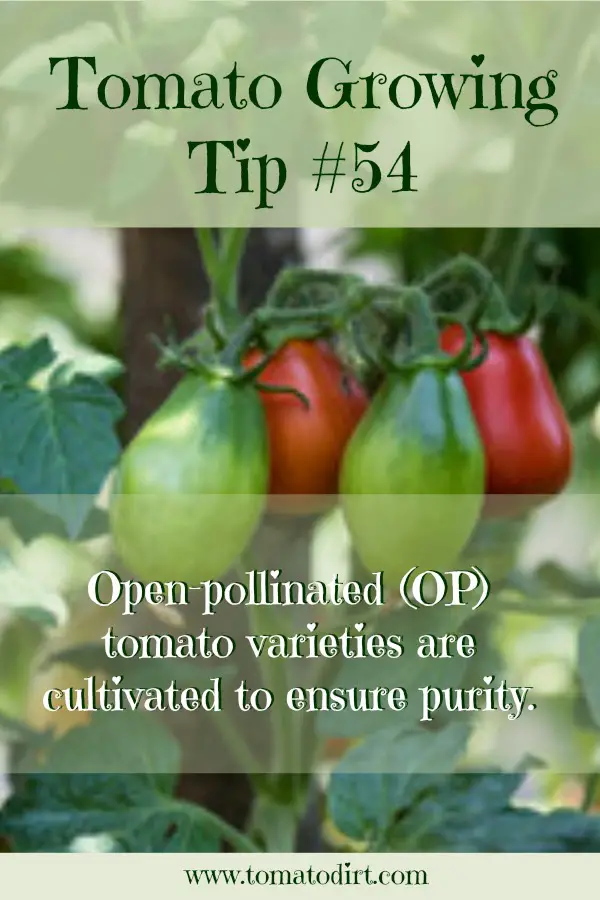
- Open-pollinated and heirloom tomatoes are generally the best choices because their seeds are more likely to produce plants with the same characteristics as the parent plant.
- Hybrid tomatoes can also produce viable seeds, but the plants grown from those seeds may not be identical to the original plant. They may produce different fruit, have different growth habits, or lack some of the characteristics you liked about the parent plant.
If your goal is to preserve a particular tomato variety, start with an heirloom or open-pollinated tomato.
Q. Why might hybrid tomatoes grown from saved
seeds be different than those from the parent plant?
By definition, a hybrid tomato
plant is a cross between two different varieties. A hybrid variety can be
re-created only by crossing the exact same two types of parent plants.
Q. How do I know if my current tomato plants
are hybrids or heirlooms (open- pollinated)?
Every plant and seed packet
you purchase is labeled. Look for “hybrid” or “F1 Hybrid” after the tomato’s
variety name to determine if it is a hybrid.
Q. When is the best time to save
tomato seeds?
The best time to save tomato
seeds is when the tomato is fully ripe—often slightly past the stage when you
would normally eat it. Choose fruit from a healthy, vigorous plant that
produced the qualities you want to preserve. Avoid saving seeds from tomatoes
that came from diseased or severely stressed plants.
While the tomato doesn't need to be rotting (and probably shouldn’t be), a very ripe tomato indicates seeds that have reached maturity.
Q. Can you save seeds from a
green tomato?
It's possible green tomatoes can
produce viable seeds, but it isn't ideal. Tomato seeds are most likely to be
fully mature when the fruit has reached its ripe color. Seeds from an immature
green tomato may have lower germination rates. For the best results, let the
tomato ripen fully on the vine whenever possible.
Q. If I choose to save a few hybrid seeds, is
there a special procedure I should follow?
No. Use the same seed-saving
method for any kind of tomato seeds, both heirloom and hybrid.
Q. Will properly saved hybrid tomato seeds
grow?
Yes. In fact, many gardeners find
it interesting to save and grow hybrid tomato seeds because the results are
unpredictable. Tomato plants grown from saved hybrid seeds can bear excellent
and tasty fruit. If you’re not concerned about growing a “pure” variety, give
hybrid seed saving a try with one or two varieties a year. If you track and
label saved seeds carefully, who knows – you may produce a new tomato variety
from your garden by saving hybrid seeds.
Q. Can I save seeds from a plant that’s had
early blight, late blight, or various wilt diseases?
Yes. What’s most important with
saving seeds is the health of the tomato fruit. Blights and wilts originate in
the soil, not the seed.
Q. Do tomato seeds need to be
fermented?
No, fermentation isn't 100% necessary—but it helps. Tomato seeds are surrounded by a gel-like coating
that contains substances that can inhibit germination. Fermentation naturally
breaks down this coating and can also help separate viable seeds from the
tomato pulp. To ferment tomato seeds ...
- Scoop the seeds and surrounding gel into a small container with a little water.
- Let the mixture sit at room temperature for several days. A layer of mold may develop on the surface. That's normal.
- After fermentation, rinse the seeds thoroughly and remove the remaining pulp.
If you only want to save a small amount of seed, however, you can also use a simpler method: rinse the seeds well and allow them to dry completely.
Q. Why do tomato seeds need to be fermented?
Tomato seeds are encased in a gel
coating. Fermentation removes that casing. Plus, fermentation also kills
disease-causing microbes that can infect next year’s plants. And fermentation
ensures a better germination rate.
Q. How long should tomato seeds
ferment?
Tomato seeds generally need about
2 to 5 days to ferment. The exact timing varies with
temperature and other conditions. You'll usually know the process is working
when the mixture develops bubbles, a film, or an unpleasant fermented smell.
Don't leave the seeds sitting indefinitely. Once fermentation has done its job, rinse the seeds and move on to drying.
Q. How long do tomato seeds need
to dry?
Allow tomato seeds to dry for
approximately one to two weeks, depending on temperature and humidity. Spread
them in a single layer in a warm, dry location with good air circulation. Stir
or turn them occasionally so they don't stick together.
The seeds should feel completely dry and hard before you put them into storage.
Don't rush this step. Storing seeds before they're thoroughly dry can lead to mold and reduce their viability.
Q. Can I dry tomato seeds on a
paper towel?
Yes. Paper towels are a
convenient way to dry tomato seeds, especially if you're only saving a small
number.
However, seeds can become difficult to remove from the paper towel once they're completely dry. A coffee filter, wax paper, or a reusable seed-drying screen can make separation easier. If you do use a paper towel, label it with the tomato variety before the seeds dry.
Q. How do I know when my tomato seeds are
completely dried?
Dried seeds will be very hard.
You won’t be able to bite or smash thoroughly dried seeds easily. An adequately
dried seed makes a faint snapping noise when broken in half. Seeds that bend
rather than snap need to be dried longer.
Q. How do you store saved tomato
seeds?
Once the seeds are completely
dry, put them in an airtight container or envelope and store them somewhere cool,
dark, and dry.
Good options include:
- Paper seed envelopes inside an airtight container
- Small glass jars
- Sealed plastic bags
- Seed-storage containers
Always label your seeds with the variety and year you saved them. You may think you'll remember, but a few months later, a collection of mystery seeds can quickly become confusing.
Q. Can you freeze tomato seeds?
Yes. Properly dried tomato seeds
can be stored in the freezer, but they must be completely dry before freezing. Any
remaining moisture can cause damage when the seeds freeze. Moisture is the
enemy of stored seeds!
For most home gardeners, a cool, dry storage location is simpler and perfectly adequate.
Use this Tomato Growing Planner for your next successful tomato crop.
Q. What’s considered to be a good germination
rate?
80% germination is average for
seeds properly fermented, sorted, dried, and stored by the home gardener. Often
the rate is even higher. (Federal standards require 75% germination rate for
commercially produced seeds.)
Q. How do you know if saved
tomato seeds are viable?
The most reliable way to
determine whether seeds are viable is to germinate a small sample.
Place several seeds between damp paper towels or in a suitable seed-starting medium and keep them warm and moist. If most of the seeds germinate, your stored seed is likely in good shape. This is especially useful when you're planting older saved seeds.
Q. How long can saved tomato seeds be
used?
If tomato seeds are properly
fermented, dried, and stored, they can last up to 10 years with a germination
rate of 50%. If used within 4-7 years, the germination rate will be even
better. Their longevity depends on how well they were dried and stored. Cool,
dry storage generally helps seeds retain their ability to germinate longer.
For the best germination, use your oldest seeds first and then, each year, continue replacing your supply with freshly saved seed.
Q. Do home-saved seeds produce better plants
than commercially purchased seeds?
Gardeners report that seeds saved
repeatedly from a particular variety grow stronger, healthier plants each
subsequent year. Plants adapt to climate and conditions and pass along those
traits to later generations.
Q. Can you save seeds from
store-bought tomatoes?
Yes, you can save seeds from a
grocery-store tomato, but there are a couple of things to consider.
- First, you may not know whether the tomato is a hybrid. If it is, the plants grown from the seeds may not produce fruit identical to the tomato you purchased.
- Second, some commercial tomatoes are harvested before they're fully ripe. Although the seeds may still germinate, they aren't always the best candidates for seed saving.
For dependable results, saving seeds from a known heirloom or open-pollinated variety grown in your garden is usually a better choice.
Q. Can you save seeds from a tomato that was grown in a container?Absolutely. The fact that a tomato was grown in a container doesn't affect your ability to save its seeds.
In fact, container-grown tomatoes can be excellent candidates for seed saving if the plant was healthy and produced fruit you particularly enjoyed. The important considerations are the tomato variety, fruit maturity, and health of the parent plant—not whether the plant grew in a container or raised bed.
Q. Will saved tomato seeds grow
true to type?
That depends primarily on whether
the tomato is open-pollinated, heirloom, or hybrid.
- Seeds from an open-pollinated variety generally produce plants that resemble the parent variety when properly isolated from unwanted cross-pollination.
- Heirloom tomatoes are open-pollinated varieties that have been maintained over generations and are especially popular among gardeners who save seeds.
- Hybrid tomatoes are created by crossing specific parent plants. Seeds saved from hybrid fruit may produce plants with unexpected characteristics.
Q. Can tomato plants
cross-pollinate?
Yes, although tomatoes are
generally self-pollinating. A tomato flower typically pollinates itself, which
makes tomatoes relatively easy plants for beginning seed savers. However,
insects can occasionally transfer pollen between varieties.
If you're growing several varieties and want to maintain genetic purity, providing some separation or using physical barriers can reduce the chance of cross-pollination. This matters most when you're saving seeds from open-pollinated varieties and want the next generation to remain true to type.
Q. Should you save seeds from
your biggest tomato?
You can, but size isn't
necessarily the most important characteristic. When choosing tomatoes for seed
saving, think about the traits you want to encourage in future plants. You
might select fruit that is:
- Especially flavorful
- Productive
- Disease-free
- Uniform in shape
- Well adapted to your garden
- The right size for your needs
- Attractive and fully ripe
If you consistently save seeds from your healthiest plants and best fruit, you're essentially selecting the characteristics you want to continue seeing in your garden.
Q. How many tomato seeds should
you save?
You don't need to save hundreds
of seeds, unless you want to give them as gifts or use them in a seed exchange.
A single tomato can contain dozens or even hundreds of seeds. For most home gardeners, saving 20 to 30 good seeds from each variety is more than enough for several growing seasons. If you’re using them only for yourself, save a few extra in case some don't germinate or you want to share seeds with another gardener.
Q. What are the biggest mistakes
people make when saving tomato seeds?
The most common mistakes are
surprisingly simple:
- Saving seeds from immature fruit. Let the tomato ripen fully before collecting seeds.
- Failing to label the seeds. Always label the variety and year.
- Not cleaning the seeds thoroughly. Remove as much pulp and gel as possible.
- Storing seeds before they're completely dry. This can encourage mold.
- Saving seeds from hybrid varieties without realizing it. The resulting plants may not resemble the parent.
- Forgetting which plant produced the best fruit. If you're serious about seed saving, pay attention to the health and productivity of individual plants.
Q. Is saving tomato seeds worth the effort?
For many gardeners, absolutely. Saving
tomato seeds allows you to preserve varieties you love, reduce the amount you
spend on seeds, and become more self-sufficient as a gardener. It also gives
you the opportunity to gradually select plants that perform particularly well
in your own growing conditions.
And perhaps best of all, there's something satisfying about planting a seed you saved from last summer's tomato and watching it grow into a new plant.
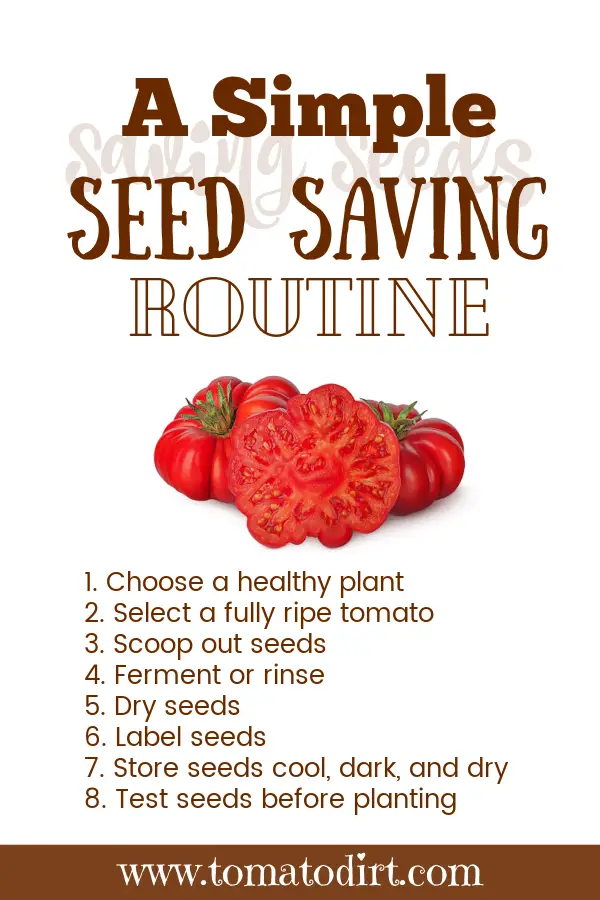


A simple tomato seed-saving routine
If you're new to seed saving, don't overcomplicate it.
- Choose a healthy plant.
- Select a fully ripe tomato.
- Scoop out the seeds and gel.
- Ferment for several days or rinse thoroughly.
- Dry the seeds completely.
- Label them with the variety and year.
- Store them somewhere cool, dark, and dry.
- Test older seeds for germination before planting.
Once you've done it once, saving tomato seeds becomes a simple part of your end-of-season gardening routine.
A final thought for saving tomato
seeds FAQs
Saving tomato seeds isn't just about getting free seeds for next year. It's about saving seeds from the tomatoes you love.
Whether you've discovered a particularly delicious heirloom, found a variety that thrives in your garden, or simply want to become a little more self-sufficient, seed saving is an easy skill worth learning. Start with one of your favorite tomatoes this season, save a few seeds, and see what happens next spring.
More on saving tomato seeds
Why save tomato seeds? 10 great reasons ...
How to save tomato seeds to plant next year ...
Which tomato varieties should you save for next year?
Easy seed saving method for tomato seeds ...
How to make your own tomato seed tape ...
How to take end of season notes about your tomato garden ...
Seed Trading 101: how to trade tomato seeds ...
Where to find seed exchange forums to swap seeds ...
How to grow tomatoes from seeds ...
Get more tips on our Saving Tomato Seeds Pinterest board...
Return from Save Tomato Seeds FAQs to Tomato Dirt home
As an Amazon Associate and Rakuten Advertising affiliate I earn from qualifying purchases.
SHARE THIS PAGE:
