
FREE: 10 Must-Know Tomato Growing Tips Get The Guide
Read our affiliate disclosure here.
Should You Use A Garden Planner For Growing Tomatoes and Vegetables?
Since 2010, Tomato Dirt has garnered 4.8+ million views, making it the web’s leading online source for growing tomatoes in the home garden. Award-winning writer and Tomato Dirt owner Kathy Widenhouse has helped thousands of home gardeners grow healthier tomatoes. Be one of them when you get Tomato Dirt’s Growing Guide here.
Posted 4.7.26
If you’ve ever stood in your garden thinking…
Did
I fertilize last week?
When did I plant these?
Why did this variety do better than that one?
You’re not alone.
Many gardeners — especially beginners — wonder if using a garden planner is really necessary. After all, people have grown vegetables for centuries without notebooks and trackers.
So… do you actually need one?
The
short answer:
No, you don’t need a garden planner.
But if you want better results, less guesswork, and more confidence — a garden planner can make a huge difference for you. Here’s the dirt.
Before you leave ...
Get your free copy of "10 Must-Know Tomato Growing Tips." This 20-page guide is filled with tips you need to know to have a successful tomato crop, whether you’re a beginning or experienced gardener.
Why gardeners may skip using a garden
planner
When you’re out in the garden and the sun is warm on your face, it’s easy to assume you’ll remember everything. You hear birds chirping. The soil is rich and crumbly in your hands. The moment is ripe and alive, so you think …
- I’ll remember which tomato variety I planted.
- I’ll remember when I fertilized.
- I’ll just fix problems as they come – these plants look so healthy right now.
And sometimes that works, especially in small gardens.
But once the season gets busy, details blur. Weeks pass quickly. Weather changes. Pests show up. You get distracted by a million other details in your life … and when you head back out to the garden, suddenly you're guessing.
Why tomatoes and vegetables benefit
from planning
Tomatoes and most vegetables are sensitive to timing and consistency. They respond strongly to:
- Planting dates
- Soil preparation
- Watering frequency
- Fertilizing schedules
- Pest management
- Variety selection
Small adjustments can mean the difference between a struggling plant and a heavy harvest. When you track what you’re doing, you can see cause and effect more clearly. For example …
- Did consistent watering reduce fruit cracking?
- Did one variety resist disease better?
- Did feeding every three weeks improve yield?
Without notes, it’s hard to know.
But imagine next season …
- Instead of wondering what went wrong… you’ll flip back a few pages in your garden planner and know.
- Instead of starting from scratch… you’ll start from experience.
- Instead of feeling unsure… you’ll feel prepared.
That’s the difference a simple, dedicated garden planner can make.
The real benefit of a garden planner
Here’s what a garden planner really does: It captures what would otherwise be forgotten. Each season teaches you something:
- What grows well in your soil
- Which vegetables your family actually eats
- What pests show up every year
- What planting dates work best in your climate
If you don’t write it down, you start from scratch every spring. But when you write things down, patterns appear. You start to notice …
- Which varieties produce the most
- When pests show up
- What watering schedule works best
- What causes cracking or blossom end rot
- When your harvest window peaks
Instead of guessing next season… you begin with experience. That’s a powerful difference.


A garden planner offers an extra
benefit for new gardeners
When you’re new to gardening, everything feels like a guess. A garden planner can reduce overwhelm. Instead of trying to remember everything, you simply:
- Follow the pages
- Record what you observe
- Keep all your notes in one place
- Help you remember what you did
- Show you what worked
- Adjust next season based on your notes
It builds confidence faster because you can see your progress. Gardening stops feeling like guessing — and starts feeling intentional.
And the best part? Every season makes you a better gardener. When you write things down, you don’t just grow tomatoes — you grow skills.
What to look for in a good garden
planner
If you decide to use a garden planner, choose something that includes:
- Seasonal planning pages
- Variety tracking
- Pest and disease logs
- Fertilizing and watering records
- Harvest tracking
- End-of-season reflection prompts
A good planner should feel simple and uncluttered so you can take notes. It’s a tool you want to be able to use consistently – not just be pretty to look at.
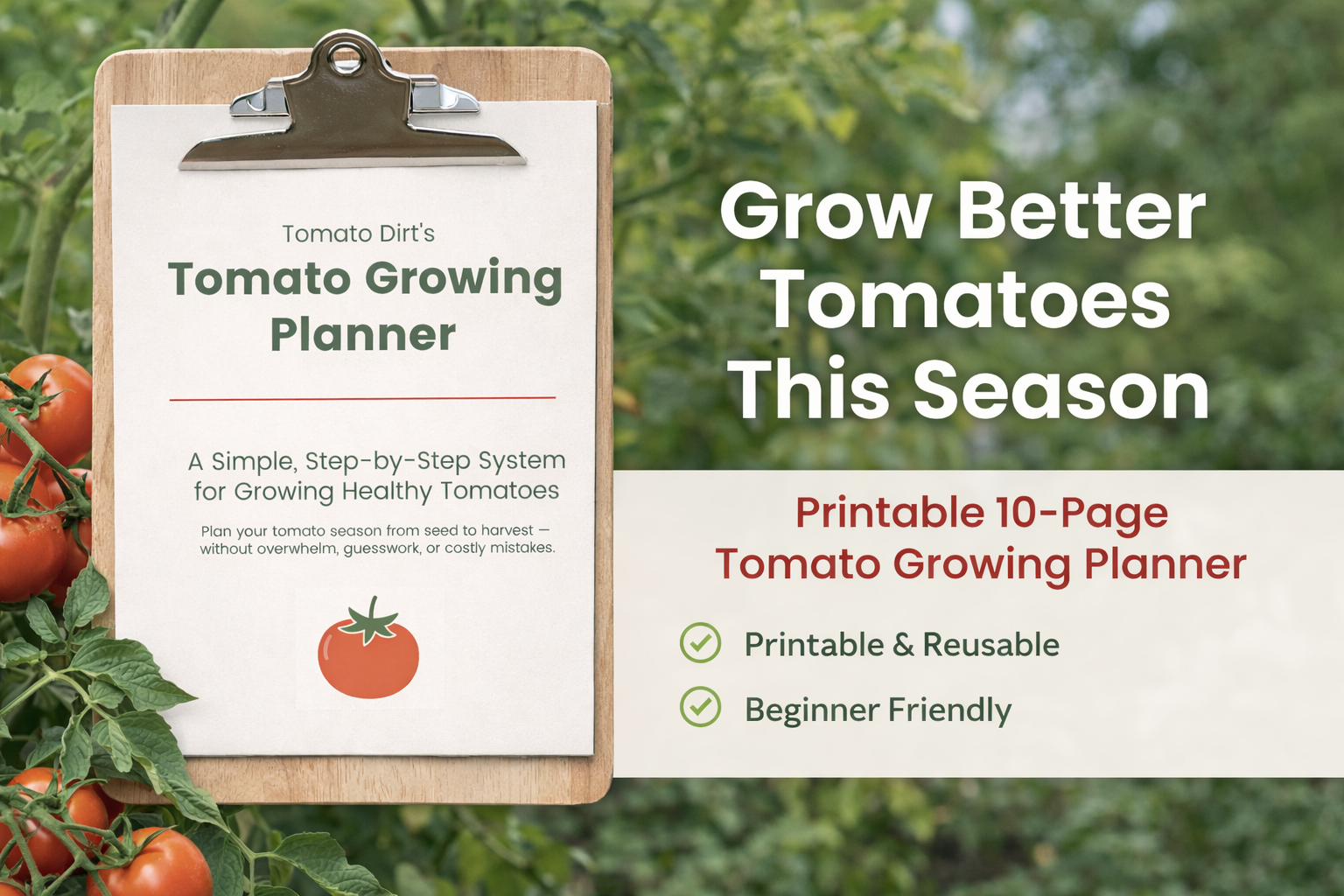
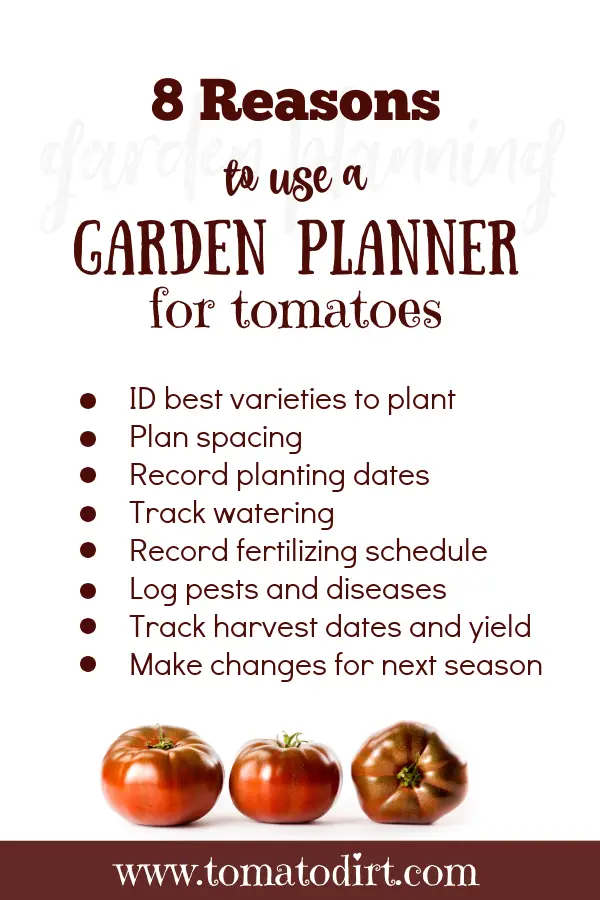
Check out Tomato Dirt's 10-page, printable, reusable Tomato Growing Planner.
So … should you use a garden planner?
If you:
- Forget planting dates
- Want better harvests
- Grow multiple varieties
- Deal with recurring pest issues
- Or simply want to improve each season
Then yes — a garden planner is worth it. Not because gardening needs to be complicated. A successful garden isn’t about perfection. It’s about paying attention.
And when you do, season after season, you don’t just grow better tomatoes and vegetables —
You grow into a more confident gardener.
More About Garden Planning
How To Start a Vegetable Garden: 10 Tips For Beginner Gardeners ...
How to plan a garden layout for growing vegetables and tomatoes ...
Row Planting vs Square Foot Gardening for Tomatoes: Which Is Better?
Preparing your soil for planting tomatoes ...
What Type of Vegetable Garden Is Best for You?
How to pick the best home garden spot for growing tomatoes ...
10 Ways to Get the Most From Your Garden Space ...
Return from Should You Use A Garden Planner? to Tomato Dirt home
As an Amazon Associate and Rakuten Advertising affiliate I earn from qualifying purchases.
SHARE THIS PAGE:
