
Tomato Fertilizer Question: Will this Fertilizer Work for Tomatoes?
Since 2010, Tomato Dirt has garnered 4.8+ million views, making it the web’s leading online source for growing tomatoes in the home garden. Award-winning writer and Tomato Dirt owner Kathy Widenhouse has helped thousands of home gardeners grow healthier tomatoes. Be one of them when you get Tomato Dirt’s Growing Guide here.
Updated 6.10.25
The Great Tomato Fertilizer Question: how do you know if a particular fertilizer will work well for your tomatoes? Tomato Dirt received this letter from a reader.
Dear Tomato Dirt,
I am an aspiring tomato farmer and would want to produce high quality fruits. I came across a fertilizer labeled 10-12-27. Can I use it to fertilize tomatoes? How many times should this type of fertilizer be applied to tomatoes until maturity?
Maurice Z.
Lilongwe, Malawi
Before you leave ...
Get your free copy of "10 Must-Know Tomato Growing Tips." This 20-page guide is filled with tips you need to know to have a successful tomato crop, whether you’re a beginning or experienced gardener.
How to know if a particular tomato fertilizer will be useful in the garden
The key is in the numbers.
The fertilizer described (10-12-27) will be helpful to use on tomato plants after they are established in the ground and have begun to flower.
Here's why:
Most fertilizers are a combination of the three nutrients commonly fed to plants: nitrogen, phosphorus, and potassium (referred to as the “N-P-K ratio”).
The three numbers represent those three nutrients.
The first number represents the proportion of nitrogen in the fertilizer. Nitrogen encourages leaf growth (rather than blossoming or fruit development.) In tomatoes, excess leaf growth discourages blossoms and fruit. So the lower number of nitrogen in this fertilizer is a good indicator that it is suitable for tomatoes.
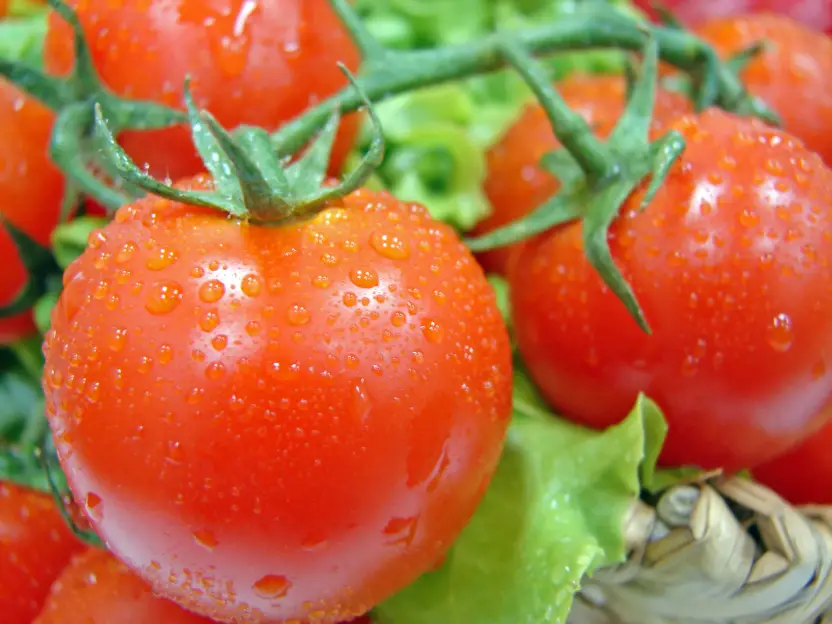
Phosphorus (the second number in the N-P-K ratio) encourages flowering, and therefore fruiting. Obviously this will benefit tomato plants.
Once a tomato plant starts flowering, it needs a higher ratio of potassium for fruit to develop (the third number in the N-P-K ratio). The strong third number in this fertilizer indicates that it will help tomato plants produce healthy, quality fruit!
As for frequency ...
Apply the fertilizer every 3 weeks until frost.
More on fertilizing tomatoes
What Nutrients Do Tomatoes Need?
What’s the Best Tomato Fertilizing Schedule?
Fertilizing Tomatoes: Frequently Asked Questions ...
How to use tomato fertilizer for best production ...
Kinds of tomato fertilizer ...
Epsom salts: a natural tomato fertilizer ...
Does tomato fertilizer potency stay strong over time?
Organic tomato fertilizer: advantages and disadvantages ...
Get more helpful tips on our Fertilizing Tomatoes Pinterest board...
Return from Tomato Fertilizer Question to Tomato Dirt home
As an Amazon Associate and Rakuten Advertising affiliate I earn from qualifying purchases.
SHARE THIS PAGE:
FREE! 10 Must-Know Tomato Growing Tips: 20-page guide
Get yours here:


New! Comments
Have your say about what you just read! Leave a comment in the box below.