
How to Identify Tomato Pests and Control Them
Since 2010, Tomato Dirt has garnered 4.8+ million views, making it the web’s leading online source for growing tomatoes in the home garden. Award-winning writer and Tomato Dirt owner Kathy Widenhouse has helped thousands of home gardeners grow healthier tomatoes. Be one of them when you get Tomato Dirt’s Growing Guide here.
Updated 7.15.24
Left unchecked, tomato pests can inflict lots of damage to your tomato plants and even destroy them.
But there’s good news. If you keep a close watch, you can identify pests as soon as they begin their dirty work and treat them before things get out of hand.
Before you leave ...
Get your free copy of "10 Must-Know Tomato Growing Tips." This 20-page guide is filled with tips you need to know to have a successful tomato crop, whether you’re a beginning or experienced gardener.
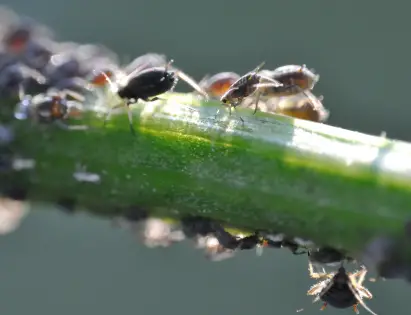

Common tomato pest symptoms
Monitor tomato plants daily. Check leaves, stems and fruit for these symptoms that come from nasty critters on the prowl. Find out more about each pest and how to control it when you click on its link.
(Scroll down to the bottom of the page to ask a specific question about pests on your tomato plants.)
On leaves and stems
| Symptom | Pest |
|---|---|
| chewed stem | tomato cutworm (early in the season) |
| defoliation | tomato hornworm, tobacco hornworm |
| holes in leaves | flea beetles |
| yellowing, curled leaves | aphids |
| purpling veins in leaves | psyllids |
| tunnels or zigzag patterns in leaves | leaf miners |
| hole in stem | stalk borer |
| honeydew (white, sticky residue) | aphids, whiteflies |
| webbing on leaf undersides | spider mites |
On fruit
| Symptom | Pest |
|---|---|
| dark pinpricks, holes in fruit | tomato fruit worm, stink bugs |
| light or discolored patches on fruit | stink bugs |
| holes in fruit | slugs |
How to treat pests on tomatoes
Here’s an overview of the most common treatment methods for tomato pests. Choose the best treatment prescribed for each one. Get more information when you click on links above for specific pests.
More on tomato pests
How to Identify These 13 Common Bugs on Tomato Plants ...
Aphids on tomato plants: how to identify and control them ...
Tomato hornworm: how to identify and control it ...
Tomato fruitworms: how to identify and control them ...
Tomato worms-cutworms: keep them away with stem collars ...
Stink bugs: how to identify and control them on tomato plants...
Pests that attack tomatoes in containers ...
How to identify and control indoor tomato pests ...
Get more tips on our Tomato Pests Pinterest board...
Other tomato problems
How to identify and control problems on tomato leaves ...
Problems on tomato stems ...
Problems on tomato fruit ...
Do You Have a Problem From Tomato Pests?
Do you have a problem with your tomatoes from a tomato pest? Describe your plant (if possible the variety, the soil, the weather) and the its symptoms. If you've seen the pest, describe it as best you can.
What Other Visitors Have Said
Click below to see contributions from other visitors to this page...
Huge holes in my tomatoes 
Q. I found such huge holes in my tomatoes. I thought birds were eating them, but the next day I found many small, red beetles eating the tomatoes, not …
Mocking birds are eating my tomatoes!
Q. Mocking birds are beating me to my ripe tomatoes. They have eaten several whole tomatoes already. They laugh at shiny objects I hang out to scare …
Tomato Pests: Not from a deer - but what is this thing?
Hi Tomato Dirt ,
When i first saw the damage on my tomato plant I thought a deer had done some nibbling. But pretty soon I found a really BIG worm …
Tomato stems are torn or shredded 
Q. Tomato plants in my raised bed are ruined by something that tears the stems. Tomatoes never get to mature and usually the plant dies from the damage. …
Small white worms inside tomatoes
Q. Last year we had small white fattish worms inside our tomatoes. The year before, it happened to the eggplants. The fruit looks perfect, except for one …
Birds (sparrows) are eating both ripe and green tomatoes
Q. Birds are eating my tomatoes. They start with the ripe ones and then go to the green ones. The plant in one area was completely eaten of all fruit in …
Tiny 1/4 inch red worms are eating my ripe tomatoes Not rated yet
Q. I have found tiny red worms by my tomato plants and have found small holes in ripe tomatoes. What might they be?
Tomato Dirt responds ...
A. …
What pests are eating my cherry tomatoes? Not rated yet
Q. I have some pests eating my cherry tomatoes. They completely consume orange and red cherries, and chew a little out of green ones. I think it might …
I need a good vole deterrent! Not rated yet
Q. Have you got any suggestions for managing voles?
I've lost two old heirloom tomatoes to voles. I've never had any problems with them eating my tomatoes …
Spider Mites Not rated yet
Q. Year after year I struggle with with these pests. Would it help to pre-treat tomato plants with a fish oil, sesame oil, and castor oil mix work?
…
Tomatoes damaged by whitefly Not rated yet
Q. Can you help me identify and know how to treat whitefly pests on tomatoes?
A. Whiteflies suck juices from leaves, causing wilting, leaf damage, …
How do I keep stink bugs or (or leaf-footed bugs) off my tomatoes? Not rated yet
Dear Tomato Dirt,
Stink bugs evidently stick their little snout in the tomato. If the tomato is not used soon it gets a translucent place that gets …
Return from Tomato Pests to Tomato Dirt home
As an Amazon Associate and Rakuten Advertising affiliate I earn from qualifying purchases.
SHARE THIS PAGE:
FREE! 10 Must-Know Tomato Growing Tips: 20-page guide
Get yours here:
New! Comments
Have your say about what you just read! Leave a comment in the box below.