
Different Kinds of Tomato Blight and How to Tell Them Apart
Since 2010, Tomato Dirt has garnered 4.8+ million views, making it the web’s leading online source for growing tomatoes in the home garden. Award-winning writer and Tomato Dirt owner Kathy Widenhouse has helped thousands of home gardeners grow healthier tomatoes. Be one of them when you get Tomato Dirt’s Growing Guide here.
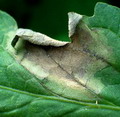
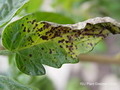
At least two common tomato problems are referred to as tomato blight and another one is often thrown into the same mix: early blight, late blight, and Septoria leaf spot.
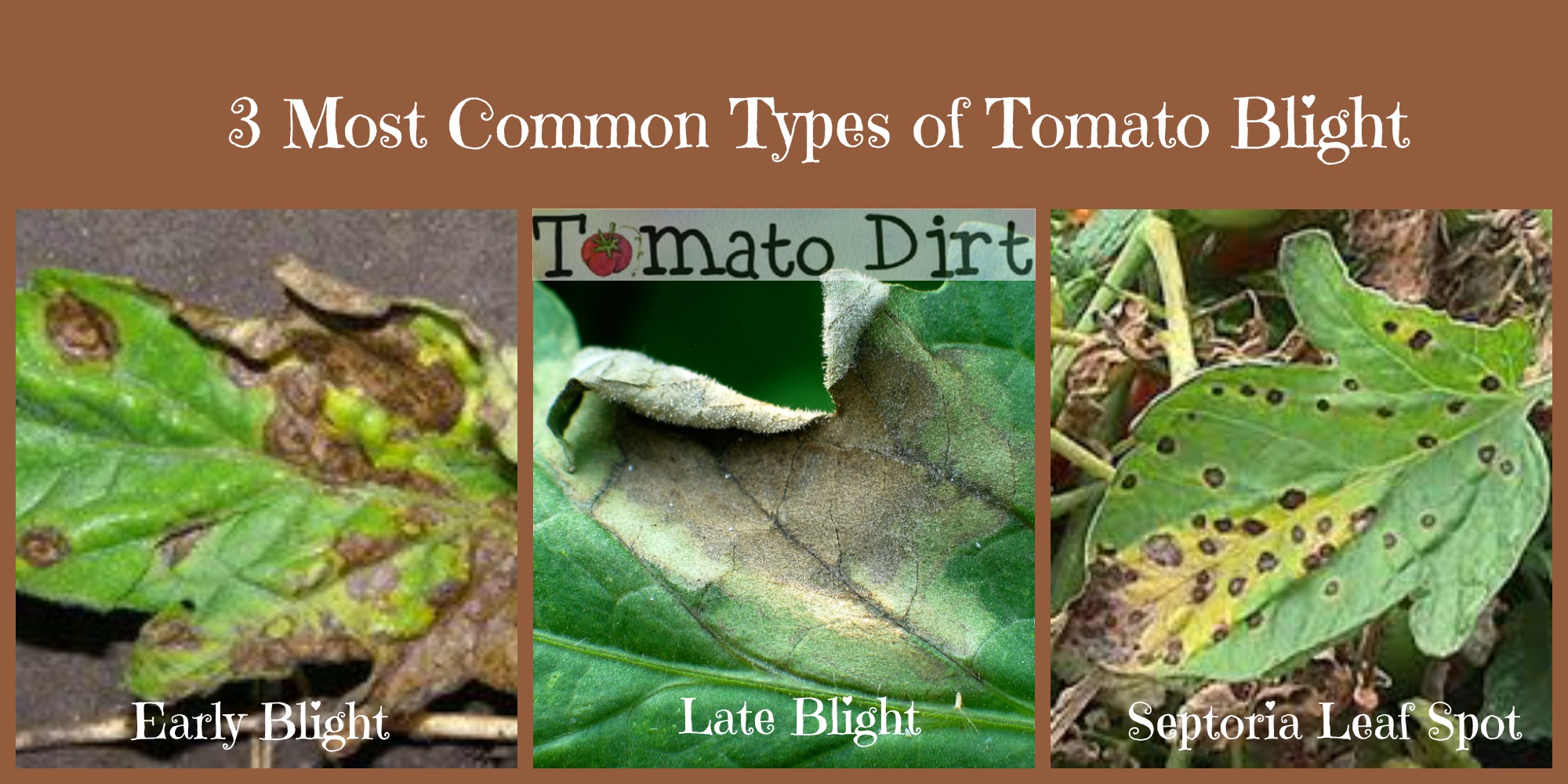
They’re each caused by different funguses. You can tell these three problems apart by what they look like, what parts of the tomato they affect, and when their symptoms appear. But the good news is this: all three can be treated and controlled similarly with biofungicides or fungicides and by practicing good preventative care.
Before you leave ...
Get your free copy of "10 Must-Know Tomato Growing Tips." This 20-page guide is filled with tips you need to know to have a successful tomato crop, whether you’re a beginning or experienced gardener.
| Early Blight | Late Blight | Septoria | |||||||
|---|---|---|---|---|---|---|---|---|---|
| Photo |
|
|
|
||||||
| Cause | fungus: Alternaria solani | fungus: Phytophthora infestans | fungus: Septoria lycopersici | ||||||
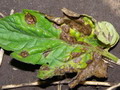
| Characteristics | Dark, concentric spots ¼ - ½” on lower leaves and stems Spots on fruit near stems Lower leaves yellow and drop |
Blue-gray spots on leaves which turn brown Dropped leaves Irregular brown, greasy spots on fruit White mold rings on spots |
Small black or brown spots on the lower leaves Lower leaves yellow and drop |
||||||
| Parts affected | leaves stem fruit |
leaves stem fruit |
leaves stem |
||||||
| Timing | early- to mid-season in wet weather |
mid- to late-season in wet weather |
early- to mid-season in wet weather |

Tomato problems from diseases
How to identify and treat early blight ...
How to identify and treat late blight ...
How to identify and treat Septoria leaf spot ...
How to identify and treat gray leaf spot ...
How to Identify and Treat Tomato Spotted Wilt Virus ...
Tomato anthracnose: how to identify and treat it ...
How to identify and treat fusarium wilt ...
How to identify and treat verticillium wilt ...
How to understand tomato disease resistance codes ...
Why Do Tomato Leaves Curl – and What To Do About It ...
How to choose a garden sprayer that is best for you ...
How to choose and apply fungicide to tomato plants ...
Tomato pests
Tomato hornworm: how to identify and control it ...
Tomato worms-cutworms: keep them away with stem collars ...
Stink bugs: how to identify and control them on tomato plants...
Tomato problems from growing conditions
Blossom end rot: how to identify, treat, and prevent it ...
Why a tomato cracks and what to do about it ..
Tomato sunscald: why too much sun can be hazardous to tomatoes...
Blossom Drop: why fruit doesn't set and what to do about it ...
How to identify and treat phosphorus deficiency in tomatoes ....
Are bumps on tomato stems harmful to plants?
How to identify tomato problems and prevent them...
Return from Different Kinds of Tomato Blight to Tomato Dirt home
As an Amazon Associate and Rakuten Advertising affiliate I earn from qualifying purchases.
SHARE THIS PAGE:
FREE! 10 Must-Know Tomato Growing Tips: 20-page guide
Get yours here:
New! Comments
Have your say about what you just read! Leave a comment in the box below.