
Lemon Boy Tomato
Since 2010, Tomato Dirt has garnered 4.8+ million views, making it the web’s leading online source for growing tomatoes in the home garden. Award-winning writer and Tomato Dirt owner Kathy Widenhouse has helped thousands of home gardeners grow healthier tomatoes. Be one of them when you get Tomato Dirt’s Growing Guide here.
Lemon Boy Tomato is a popular hybrid tomato, particularly among commercial growers. Its lemon shade was the first of its kind – not golden in color -- marking the variety as distinctive. Lemon Boy’s low acidity has added to its consistent and growing reputation. Plus, plants are pretty. Bright yellow fruit create a stark contrast to the plant’s dark green foliage. And gardeners rave about the variety’s disease resistance.
Before you leave ...

Get your free copy of "10 Must-Know Tomato Growing Tips." This 20-page guide is filled with tips you need to know to have a successful tomato crop, whether you’re a beginning or experienced gardener.
Here’s how tomato gardeners describe Lemon Boy Tomato
It’s tasty. Lemon Boy is known for its mildly sweet, low-acid flavor. While true “low-acid” tomatoes are a misnomer (in reality, “low acid tomatoes” simply mean their sweetness masks acidity), Lemon Boys are especially appealing to gardeners and chefs who want to avoid high acid flavors.
It’s resilient. The variety is resistant to at least 5 diseases and several common pests. Plants stay vigorous throughout the season, making them an easy variety to grow.
It’s reliable. Fruit is consistently well-formed, long-lasting, and long-producing.
It’s versatile. Lemon Boys are good for slicing, sandwiches, salads, cooking with pasta, and as a bisque. They make an especially striking salsa when combined with red tomatoes.
It’s attractive. Brilliant coloring – both on the fruit and its dark foliage – make this tomato one of the most unusual among yellows in the garden.
What’s the history of Lemon Boy?
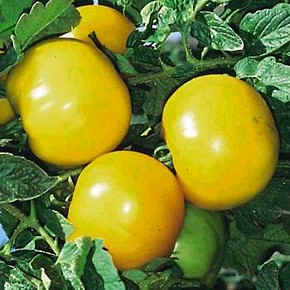 |
Photo: Farmer Fred |
Seed industry tradition holds that breeder John Peto left Burpee in the 1940s-50s and formed Petoseed (now a subsidiary of Seminis Seeds). Lemon Boy was bred by Petoseed and released in 1984.
What to look out for when growing Lemon Boy
- Color will become more golden the longer fruit are left on the vine. While you may be tempted to delay harvesting because the shade becomes increasingly attractive, be careful not to let tomatoes ripen too much because they will become mushy.
- Watch for green shoulders on fruit, especially during hot, sunny spells. You can reduce Lemon Boy’s green shoulders by avoiding excessive pruning and setting plants closer together – allowing foliage to provide shade for tomatoes.
Lemon Boy Varieties
The tomato was first introduced as an F-1 hybrid.
Some breeders (among them is Synergy Seed) claim to have created a stable, open-pollinated variety by following Alan Kapuler’s technique in selecting successive generations.
Learn more and get Lemon Boy Tomato seeds and plants.
| Lemon Boy Tomato |
|---|
| Indeterminate |
| Type: hybrid |
| Origin: Petoseed, USA |
| Days to maturity: 72-75 days |
| Season: Mid-season |
| Foliage/habit: bushy, upright, dense; regular leaf. Fruit matures in clusters. |
| Fruit color: lemon yellow |
| Fruit shape/size: globe, 7-8 ounces |
| Disease resistance: VFNASt |
| Yield: good |
| Taste: sweet, mild, low acidity |
Tomato Disease Resistance Codes
V Verticillium Wilt
F Fusarium Wilt
FF Fusarium, races 1 and 2
FFF Fusarium, races 1, 2, and 3
N Nematodes
A Alternaria
T Tobacco Mosaic Virus
St Stemphylium (Gray Leaf Spot)
TSWV Tomato Spotted Wilt Virus
More Tomatoes of the Month
Tomato of the Month: fun and interesting tomatoes ...
Brandywine Tomato ...
Other Yellow Tomatoes of the Month
Yellow Pear Tomato ...
Bi-Color Tomatoes
Pineapple Tomato ...
Return from Lemon Boy Tomato to Tomato Dirt home
As an Amazon Associate and Rakuten Advertising affiliate I earn from qualifying purchases.
SHARE THIS PAGE:

FREE! 10 Must-Know Tomato Growing Tips: 20-page guide
Get yours here: